
|
 |
 |
|||||||||||||||||||||||||||||||||||||||||||||||||||||||||||||
| ||||||||||||||||||||||||||||||||||||||||||||||||||||||||||||||
 |
 |
 05-31-2014, 06:42 AM
|
#3 | ||||||
|

It looks like this gun may have been ordered with 2 7/8 inch chambers. There were a few 20's made on the 0 frame with the long chambers. The ones I have seen went to the west coast. The barrel weigh is also on the heavy side. While your measurement of the OD diameter less the inside diameter is a good sign, the barrels still need to be measured with a barrel wall thickness gauge. IMO, the ribs need to be removed for this restoration to be done correctly. I would say the odds of saving these barrels has gone up.
|
||||||

|

|
||||||
 |
 |
 |
|
|
|
05-31-2014, 07:23 AM
|
#4 | ||||||
|
Minimum wall thickness up in the front is one thing. And your pitting towards the front of the barrels looks workable. And if you are really running high 30s for thickness up there then that should not be a problem in having material to work with there. The more important thing is how much material there is back by the breech. And that is where the pitting looks worse. I like to measure thickness at the forend loop and also in front of the chambers. I like to see thickness of .050 plus at the loop and usually wall thickness will be .090" to .100" at the chamber front on most barrels.
At this point it is all speculation since only a hands on analysis of the thickness in the pitted areas as well as depth of pitting will need to be done on your barrels to know for sure. By the looks of it, they likely can be saved. But it will be a lot of careful draw filing.
__________________
B. Dudley |
||||||
|
|
|
||||||
|
|
|
| The Following User Says Thank You to Brian Dudley For Your Post: |
|
|
|
05-31-2014, 07:58 AM
|
#5 | ||||||
|
The verdict on these barrels cannot be rendered on this site. Although they seem savable, only a professional double gun barrel man can make that determination.
In my view, there are two good choices in that regard: Kirk Merrington or Brad Bachelder. Since these tubes are fluid steel, some pits might be weldable. File work should be kept to an absolute minimum in any case. Rather than elicit more speculation, I suggest you send the gun to a pro. Then heed his advice. |
||||||
|
|
|
||||||
|
|
|
| The Following 6 Users Say Thank You to John Campbell For Your Post: |
|
|
|
05-31-2014, 03:05 PM
|
#6 | ||||||
|
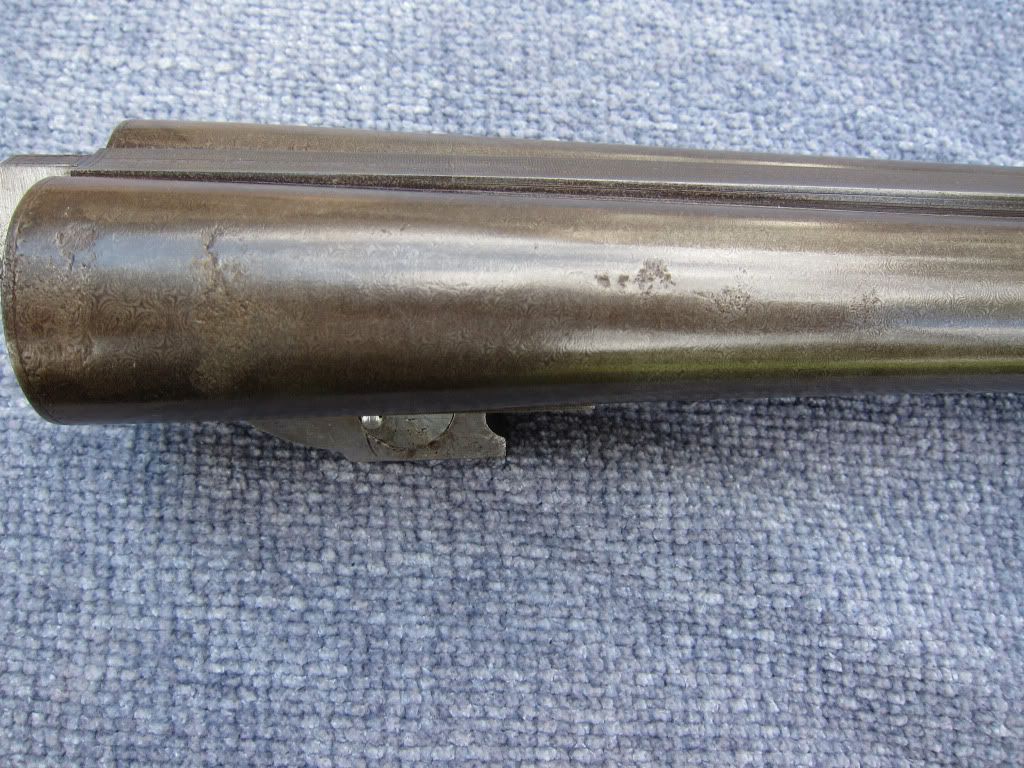
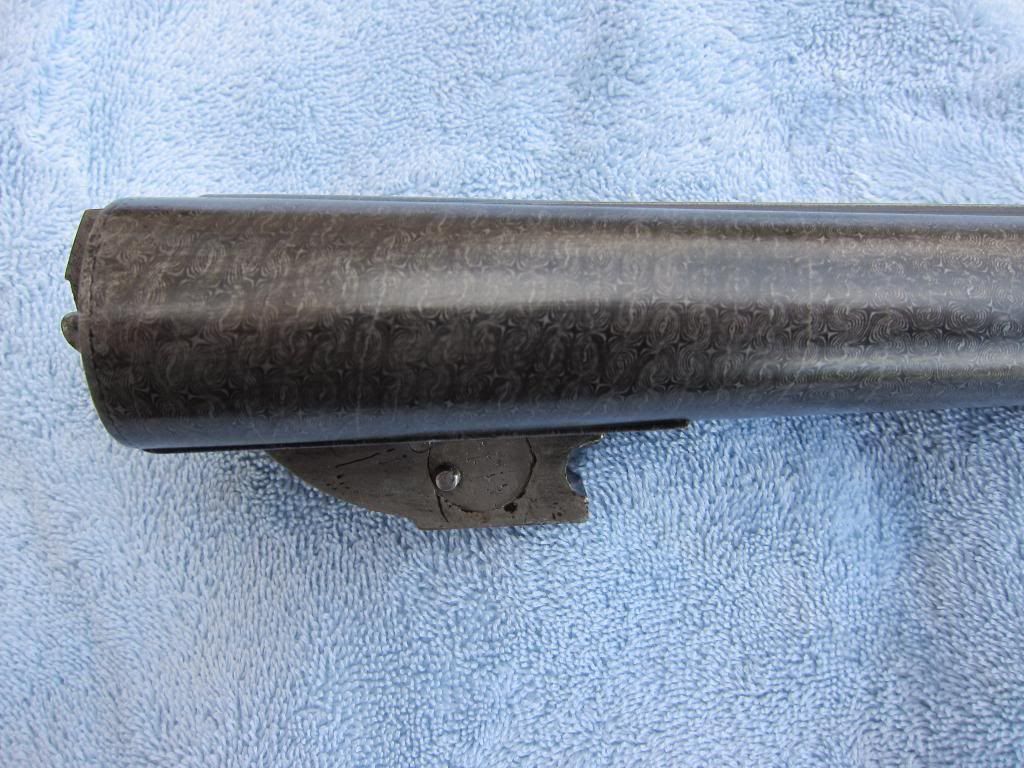
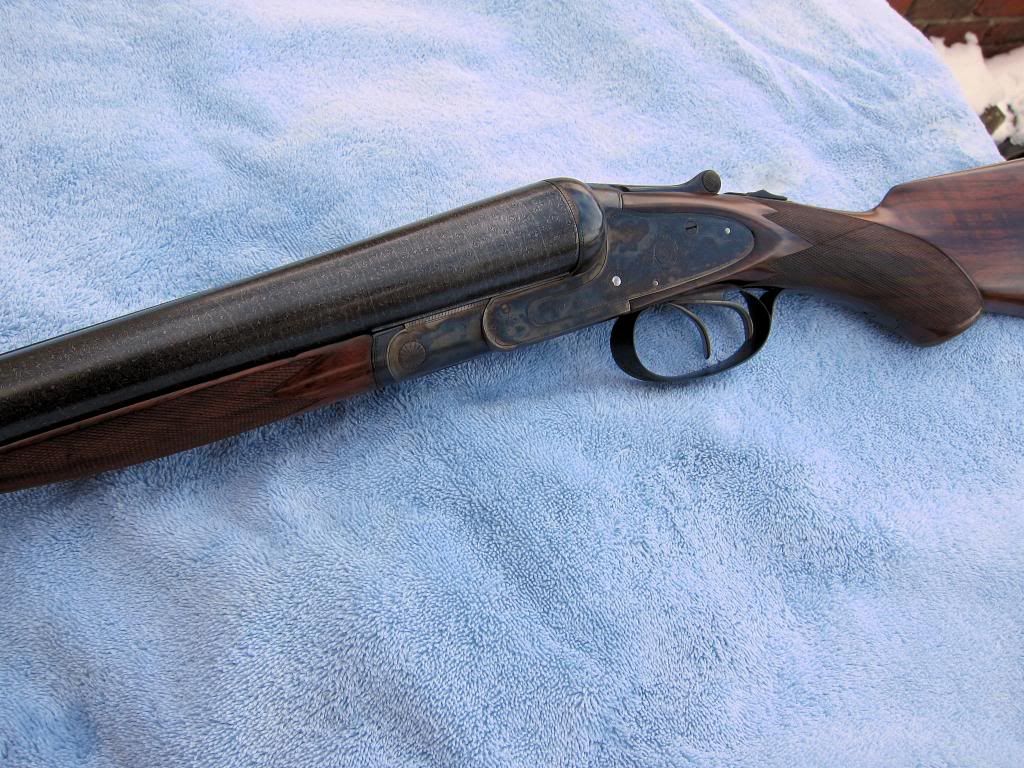
Not a Parker but this is my early LC Smith Syracuse extra heavy Quality 3 10 gauge with 32" barrels that had heavy pitting near the breach. The work was performed by Brad Balchelder who used laser to weld under magnification. Call him and I'm sure he will explain how he did it since I am not sure exactly how he did it. In any case, to do this on Damascus barrels is amazing. I'm sure he can help you with fluid steel barrels too.
|
||||||
|
|
|
||||||
|
|
|
| The Following 13 Users Say Thank You to Frank Cronin For Your Post: |
|
|
|
06-01-2014, 08:38 AM
|
#7 | ||||||
|
Yes, Brad does this work on Damascus guns, as does Dale Edmonds ( through another gunsmith). I have previously posted pictures of welded splits in Damascus and twist barrels and filled pits. Some of the welded seams were quite old, indicating this repair technique has been going on for a long time. and holding since then.
Some people believe that only fluid steel barrels can be repaired by welding pits and implying that if Damascus the pits or even splits could not be welded. That is not the case from what I have seen. |
||||||
|
|
|
||||||
|
|
|
|
|
|
06-01-2014, 08:49 AM
|
#8 | ||||||
|
BD:
Mia culpa. Being a ferrous metal composite, of course Damascus can be welded. But with varying aesthetic success by amateurs. Bachelder does well. As do a few other specialists. And... if you were to read my previous post carefully, you will find that I did not say anything about Damascus barrels, nor the potential for their welding. |
||||||
|
|
|
||||||
|
|
|
|
|
|
06-01-2014, 10:13 AM
|
#9 | ||||||
|
Brian,
You could always just stabilize/remove the rust, get a stock on it that fits you, and have it cleaned/checked out for safety by one of the good Parker smiths here , and have the coolest shooter grade gun in the woods . It would always have the story to tell and be preserved for a full correct restoration in the future if you wanted to . Awesome gun and horrible it ended up this way . Great find ! |
||||||
|
|
|
||||||
|
|
|
 |
|
|




 )
)


 Hybrid Mode