
|
 |
 |
||||||||||||||||||||||||||||||||||||||||||||||||||||||||||||||
| |||||||||||||||||||||||||||||||||||||||||||||||||||||||||||||||
 |
 |
 04-24-2020, 10:57 AM
|
#3 | ||||||
|

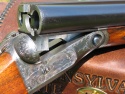
Allen, your gun was made in 1884 and is a Quality T, Top Action Hammer gun, 12ga. with 30" Plain Twist barrels. The Quality T was the lowest grade hammer gun Parker made. It sold for $55.00.
|
||||||

|

|
||||||
 |
 |
 |
| The Following 4 Users Say Thank You to Chuck Bishop For Your Post: |
|
|
|
04-24-2020, 02:26 PM
|
#4 | |||||||
|
Quote:
|
|||||||
|
|
|
|||||||
|
|
|
|
|
|
04-24-2020, 04:50 PM
|
#5 | ||||||
|
You can go to rstshells.com and select the lightest loads in smokeless powder and they would be as unlikely to blow your gun up as black powder loads. Prior to using either, you should measure the barrel wall thickness and make sure it doesn't deviate much from factory original. Most sellers of black powder loads don't test them for pressure or at least they don't say so. RST does test for pressure and it is very low in their lightest loads. They will tell you what the pressure is on specific loads if you call them.
|
||||||
|
|
|
||||||
|
|
|
| The Following User Says Thank You to Bill Murphy For Your Post: |
|
|
|
04-24-2020, 05:15 PM
|
#6 | |||||||
|
Quote:
|
|||||||
|
|
|
|||||||
|
|
|
|
|
|
04-25-2020, 08:18 PM
|
#7 | ||||||
|
I have 35790. Identical except it’s a straight grip. My Parker letter traced it back to at least 1899 when a family member sent it back to the factory for some touch ups. Originally shipped to a hardware store in St. Louis, not too far from where they lived so, who knows?
|
||||||
|
|
|
||||||
|
|
|
| The Following 2 Users Say Thank You to Barry owens For Your Post: |
|
|
|
04-25-2020, 09:02 PM
|
#8 | |||||||
|
Quote:
|
|||||||
|
|
|
|||||||
|
|
|
|
|
|
04-25-2020, 09:15 PM
|
#9 | ||||||
|
Yes it was cool to get a family connection. You should get a letter, it should at least say where it shipped. That would be interesting since the SN range is so close. I ordered some RST’s as well, but I am repairing the stock, it was oil soaked and had several cracks in the head. You should inspect your gun before you shoot. There is a lot of good information here to read through. Best of luck!
|
||||||
|
|
|
||||||
|
|
|
| The Following User Says Thank You to Barry owens For Your Post: |
|
|
|
04-25-2020, 09:22 PM
|
#10 | ||||||
|
Allen, in the first picture, showing right lock plate, and barrel, it appears to be off face. I would encourage you to have it looked at by a proper gun smith before shooting it.
|
||||||
|
|
|
||||||
|
|
|
| The Following 5 Users Say Thank You to edgarspencer For Your Post: |
 |
|
|




 Linear Mode
