
|
 |
 |
|||||||||||||||||||||||||||||||||||||||||
| ||||||||||||||||||||||||||||||||||||||||||
 |
 |
 10-26-2019, 06:52 PM
|
#3 | |||||||
|

Quote:
And I cannot count the birds I have shot at and KNEW that I missed, that one of my dogs has then picked up and brought in
__________________
"If there is a heaven it must have thinning aspen gold, and flighting woodcock, and a bird dog" GBE |
|||||||

|

|
|||||||
 |
 |
 |
| The Following 5 Users Say Thank You to Rick Losey For Your Post: |
|
|
|
10-26-2019, 06:59 PM
|
#4 | ||||||
|
Funny you should mention jumping woodcock in the cornfields. I just returned from SD where every field was flooded and they were loaded, and I mean loaded with ducks, geese and cranes. But the icing on the cake were the thousands of snipe, Wilsons to be exact. We would bump them in the cornfields and ditches and once they got up in the 25-40mph wind gusts they proved an almost impossible target. I managed to drop 12 as I was the only one interested in shooting them. While we were duck hunting, flocks of 50 or more would buzz past like teal on crack. A most memorable hunt.
Pictures and story to follow in another thread.
__________________
Wag more- Bark less. |
||||||

|
|
||||||
|
|
|
| The Following 21 Users Say Thank You to Daryl Corona For Your Post: | Bill Jolliff, Daniel G Rainey, Dean Romig, Ed Norman, Eric Eis, Eric Estes, Garry L Gordon, Jacob Duke, Joe Dreisch, John Davis, Kevin McCormack, Mark Garrett, MARK KIRCHER, Mike Koneski, Paul D Narlesky, Randy G Roberts, Reggie Bishop, Richard Flanders, Robert Brooks, Russell E. Cleary, Timothy Salgado |
|
|
|
10-26-2019, 07:22 PM
|
#5 | ||||||
|
First woodcock I ever shot (or even saw) was along White River outside of Winchester, Indiana. I was riding on top of the grain hopper on a combine shooting rabbit as they ran in front of the combing.
I hunted northern MI last weekend and only moves one. Pretty sure they have left Michigan. |
||||||
|
|
|
||||||
|
|
|
| The Following 3 Users Say Thank You to Jay Gardner For Your Post: |
|
|
|
10-26-2019, 07:30 PM
|
#6 | ||||||
|
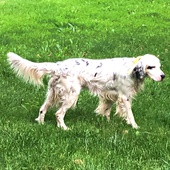
They are already in Massachusetts. I have been finding them in the quail fields at Myles Standish. Or rather, my english setter, Sophie, has been finding them.
|
||||||
|
|
|
||||||
|
|
|
| The Following 2 Users Say Thank You to allen newell For Your Post: |
|
|
|
10-26-2019, 08:09 PM
|
#7 | ||||||
|
I just got back from my annual trip to Wisconsin and we ran into a flight one day. 3 of us got 9 of them. I had to stop shooting and just take pictures of my dog on point. They can really help turn a young dog into a bird dog!
|
||||||
|
|
|
||||||
|
|
|
| The Following 5 Users Say Thank You to chazcole For Your Post: |
|
|
|
10-26-2019, 09:31 PM
|
#8 | |||||||
|
Quote:
|
|||||||
|
|
|
|||||||
|
|
|
| The Following 3 Users Say Thank You to Ed Norman For Your Post: |
|
|
|
10-26-2019, 10:09 PM
|
#9 | ||||||
|
Ed; a buddy of mine found pockets of 40+ birds on the 17th right along 75 just north of Standish. I hunted hard on the 18th and 19th a few miles north west of there, saw plenty of splash but only moved one bird. We haven’t had much in the way in terms of weather to push them down so who knows. I’ll be back up Tuesday through the 4th and I’ll let you know what I find.
|
||||||
|
|
|
||||||
|
|
|
| The Following User Says Thank You to Jay Gardner For Your Post: |
|
|
|
10-27-2019, 06:38 AM
|
#10 | ||||||
|
Jay, Thank you, my buddy is originally from Indiana, he hunts almost every day, he has 2 brittanies. He has lived up here about 8 years, so he is constantly trying to learn more about grouse/woodcock. He is always checking stomach contents etc. to see what their feeding on, when he said the woodcock had a lot of fat on them, I could take that 2 ways, like a bear eating a lot before hibernating, maybe a woodcock would eat a lot before starting the long trek south? Or they were local birds with a normal amount of fat? He said he has seen more woodcock even before season and early season than he has since he moved up here. Thats why he thinks some flight birds are still due. I went out yesterday with a guy from the fox forum and we had a lot of points, only 2 woodcock held, usually if its a grouse running you will hear them fly away but the bird would run and we couldn't hear or see a bird taking off which is why I thought those might be woodcock. Last year when the guys I hang out with told me the flight birds were in, I noticed more birds overall in the areas I hunt. This year I only have had one day (early last week) where there seemed to be a half dozen or so birds concentrated in one area, but I had never hunted that area before so I did not know if there was that many birds in that area on a regular basis. Thanks for the input. Ed
|
||||||
|
|
|
||||||
|
|
|
| The Following 2 Users Say Thank You to Ed Norman For Your Post: |
 |
|
|





 Linear Mode
