
|
 |
 |
|||||||||||||||||||||||||||||||||||||||||||||||||||||||||||||||
| ||||||||||||||||||||||||||||||||||||||||||||||||||||||||||||||||
 |
 |
 12-18-2014, 04:27 PM
|
#3 | ||||||
|

That's what I was thinking.
__________________
B. Dudley |
||||||

|

|
||||||
 |
 |
 |
|
|
|
12-19-2014, 08:58 AM
|
#4 | ||||||
|
Could it signify a grade of walnut that was used?
|
||||||
|
|
|
||||||
|
|
|
|
|
|
12-19-2014, 09:02 AM
|
#5 | ||||||
|
That's a good possibility too Gary.
|
||||||
|
|
|
||||||
|
|
|
|
Early Grade Stamping in Wood | |
|
12-20-2014, 07:07 PM
|
#6 | ||||||
|
Early Grade Stamping in Wood
One of my guns in the 3000 range has a 3 in similar spots but also has the serial number.
|
||||||
|
|
|
||||||
|
|
|
|
Early Grade Stamping in Wood | |
|
12-20-2014, 07:11 PM
|
#7 | ||||||
|
Early Grade Stamping in Wood
Here is the forend. The 3 is hard to see but it's to the left of the hole.
|
||||||
|
|
|
||||||
|
|
|
|
|
|
12-20-2014, 09:11 PM
|
#8 | ||||||
|
Todd,
And what type of grade is your gun?
__________________
B. Dudley |
||||||
|
|
|
||||||
|
|
|
|
Early Grades Stamping in Wood | |
|
12-20-2014, 09:34 PM
|
#9 | ||||||
|
Early Grades Stamping in Wood
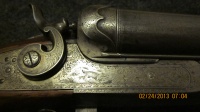
It's probably not a $200 grade gun I would guess it's the next lower grade but with the early guns it's hard to say for sure. The only info in the book was that it was completed on October 22, 1874. Look it over and give me your opinion.
|
||||||
|
|
|
||||||
|
|
|
|
|
|
12-20-2014, 09:55 PM
|
#10 | ||||||
|
A higher grade for sure, but lower than the one I posted about with 4 stamping. And the serial number of that gun is within a dozen of yours.
__________________
B. Dudley |
||||||
|
|
|
||||||
|
|
|
 |
|
|



 Linear Mode
