
|
 |
 |
||||||||||||||||||||||||||||||||||||||||
| |||||||||||||||||||||||||||||||||||||||||
 |
 |
 06-17-2020, 06:53 AM
|
#3 | |||||||
|

Quote:
__________________
"Doubtless the good Lord could have made a better game bird than bobwhite, and better country to hunt him in...but equally doubtless, he never did." -- Guy de la Valdene (from A Handful of Feathers ) "'I promise you,' he said, 'on my word of honor, I won't die on the opening of the bird season.'" -- Robert Ruark (from The Old Man and the Boy) |
|||||||

|

|
|||||||
 |
 |
 |
| The Following 2 Users Say Thank You to Garry L Gordon For Your Post: |
|
|
|
06-17-2020, 11:07 AM
|
#4 | ||||||
|
Here is a picture of how the Work Order Tags are stored. It's easy to find tags in the 2 large binders, the database will tell me which book and page number to go to. The database will tell me which smaller binder to look in but there is no page number so I have to go through all the pages. Of course it's usually in one of the last pages! The tags in the zip lock baggies will be in the database if the S/N can be read. I've not had anyone order a small tag. More on the small tags in my next post.
|
||||||
|
|
|
||||||
|
|
|
| The Following 6 Users Say Thank You to Chuck Bishop For Your Post: |
|
|
|
06-17-2020, 11:15 AM
|
#5 | ||||||
|
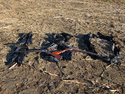
I took a picture of 8 of the real old tags from the yellow zip lock bag in the previous post. These tags are extremely fragile, they are hard and can break real easily. As you can see, they are very dirty and most of the information was written in pencil and faded over time. Note that you can read some of the information on the back of the tags.
I think I may start to identify those tags that the S/N can't be read but the order # can be read found at the bottom of the tag. If we have the Order Book with that Order # in it, I can match the info on the tag with the Order Book entry and I'll know the S/N. This would be a real big and time consuming project but interesting to do. We'll see. |
||||||
|
|
|
||||||
|
|
|
| The Following 10 Users Say Thank You to Chuck Bishop For Your Post: |
|
|
|
06-17-2020, 04:07 PM
|
#6 | |||||||
|
Quote:
__________________
"Doubtless the good Lord could have made a better game bird than bobwhite, and better country to hunt him in...but equally doubtless, he never did." -- Guy de la Valdene (from A Handful of Feathers ) "'I promise you,' he said, 'on my word of honor, I won't die on the opening of the bird season.'" -- Robert Ruark (from The Old Man and the Boy) |
|||||||
|
|
|
|||||||
|
|
|
|
|
|
06-17-2020, 04:44 PM
|
#7 | ||||||
|
I can do it. I'm thinking of doing a few a day. I just wonder if members (PGCA members only) would want to pay $100 or more for one of these small fragile tags?
|
||||||
|
|
|
||||||
|
|
|
| The Following User Says Thank You to Chuck Bishop For Your Post: |
|
|
|
06-17-2020, 05:33 PM
|
#8 | ||||||
|
When the PGCA Research Committee was studying the tags and trying to categorize them, lo and behold, I found the work tag for one of my Parkers. Apparently, my gun was the first to be paired with a work tag. The weird thing is that the tags were spread out on a table and no one suspected that we would find anything of value to our own collections. My "tag of interest" was serial number 234,481. Maybe our historian will post a picture of that work tag.
|
||||||
|
|
|
||||||
|
|
|
 |
| Thread Tools | |
| Display Modes | |
|
|






 Hybrid Mode