
|
 |
 |
|||||||||||||||||||||||||||||||||||||||||||||||||||||||||||||||
| ||||||||||||||||||||||||||||||||||||||||||||||||||||||||||||||||
 |
 |
 10-31-2019, 11:43 AM
|
#3 | ||||||
|

The avian predator problem we had in my hunting area is virtually gone. I have yet to see a goshawk or a barred owl this season at all. The grouse numbers there have been diminishing for a few years now but this year we are seeing far fewer than even last year... but the avian predators have moved on..... or have succumbed to WNV themselves...
 .
__________________
"I'm a Setter man. Not because I think they're better than the other breeds, but because I'm a romantic - stuck on tradition - and to me, a Setter just "belongs" in the grouse picture." George King, "That's Ruff", 2010 - a timeless classic. |
||||||

|

|
||||||
 |
 |
 |
|
|
|
10-31-2019, 02:20 PM
|
#4 | ||||||
|
I never bird hunted the Catskills I did however look around a bit for a deer spot when I used to hunt the Poconos . Couple years I killed my PA buck the first day and I had nothing to hunt except a doe or two the rest of the week . So one year I decided to scout a few public places right over the river and kinda close to Monticello . I thought I had found a couple likely spots then a friend that was a local in the area told me about the hord that came out on public land for deer so I kinda trashed that idea .
__________________
Parker’s , 6.5mm’s , Mannlicher Schoenauer’s and my family in the Philippines ! |
||||||
|
|
|
||||||
|
|
|
|
|
|
11-01-2019, 08:26 PM
|
#5 | ||||||
|
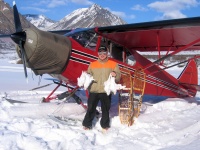
Our ruffie numbers around Fairbanks are very low, as a result I think of a combination of much of the habitat getting a bit mature and the hunting pressure increasing to a ridiculous level. Our grouse seasons all open on August 10, which is way too early. At that point the family groups are still together and the YOY are clueless. People ride the trails and logging roads on quads and in pickups and sluice them on the ground in large numbers. I walked 7miles in 3 hrs yesterday with my 28ga Repro, all on fresh 3 day old snow and didn't see a single bird track in what has been a very productive area in the past. No one had been on that trail since the snow fell. All I saw was fox, squirrel, moose and bunny trax. There weren't many rose hips along the trail, which is what often brings them to it, but even where there was some there was no sign of birds. The season opens way too early for the amount of pressure we get these days. The top of our ruffie cycle was a few yrs back too so we may have dropped off on that. There's a few around our neighborhood and one walked into my place here yesterday afternoon when I was gone. I'm hoping it discovers my bird feeder and sticks around for the winter. I'll keep him in food for sure.
|
||||||
|
|
|
||||||
|
|
|
| The Following User Says Thank You to Richard Flanders For Your Post: |
|
|
|
11-02-2019, 06:05 AM
|
#6 | ||||||
|
This so sad, hope it does follow the fate of the bobwhite in the south
|
||||||
|
|
|
||||||
|
|
|
|
|
|
11-02-2019, 06:41 AM
|
#7 | |||||||
|
Quote:

|
|||||||
|
|
|
|||||||
|
|
|
| The Following 2 Users Say Thank You to Eric Eis For Your Post: |
|
grouse | |
|
11-02-2019, 06:43 AM
|
#8 | ||||||
|
grouse
This is more complicated than one factor causing the decline in so many widely seperated areas. The natural world responds in varying ways to many causes at any one time. The tipping point can be brought about by a minor thing when the other factors are in place. In the north new factors have occurred in the last 2 decades, west nile virus and winter ticks are 2 of them, both added to habitat factors may be the tipping point maybe not. The result is not in doubt. Looking at what has happened to moose numbers across the southern range of their habitat is an example caused in part by the winter tick. We will probably never be able to lay blame on any one cause.
|
||||||
|
|
|
||||||
|
|
|
| The Following 2 Users Say Thank You to Daniel Carter For Your Post: |
|
|
|
11-02-2019, 07:28 AM
|
#9 | ||||||
|
Everybody is right. There are a multitude of factors that are creating a perfect storm. Any one of them might not be catastrophic but when combined can cause severe problems that can be difficult to overcome. We can only hope it is not too late to effect some change.
Changing people's perceptions regarding timber harvesting, especially clearcutting is a tough nut to crack. The exodus of urban folks to rural areas has not been helpful as it has caused the fragmentation of large farms into smaller units owned by city folks. To them cutting a tree is desecration of the forest. They see things in too short a time span. Unfortunately, they are also quite vocal about events on public land as well. Farmers saw trees as a crop to supplement their income or serve as a retirement fund. Creating good quality habitat over the landscape will be a major challenge. |
||||||
|
|
|
||||||
|
|
|
| The Following 6 Users Say Thank You to Gary Laudermilch For Your Post: |
|
|
|
11-03-2019, 09:35 AM
|
#10 | ||||||
|
I've hunted leased land in New York's Adirondacks for over 40 years and this is property that is managed either for timber harvest or pulp wood harvest. It is regularly clear cut according to the land owner's harvest needs and goals, generally a 20 - 40 year cycle. Despite this the grouse numbers are nothing like they were even 20 years ago. Not sure why because from what I can see the habitat has been maintained to be well suited for grouse. I remember when you could hunt them and they would hold for a point and allow the hunter to move in to flush the bird. Now it seems you get within 30 yards before the dog has scented them and you hear them flush. Something has them on edge and I always assumed predators such as foxes or coyotes. There are Barred Owls there, but I haven't seen a Goshawk in 30 years or more that I can recall. I would guess that coyotes and perhaps a few bobcats are the major predators. Not sure at all about the prevalence of West Nile Virus in the Adirondacks.
Same in one area of the Southern Tier where I hunt on state land. This area is 12,000 acres of actively forested and managed property specifically to produce and maintain deer and grouse; some turkeys have moved in over the past 20 years too. The state follows a cycle of clear-cutting 10 acre blocks and will often replant specific tree species. The schedule of cutting is known to the public so you can hunt different 10 acre blocks where you know how long since they were clear cut. The idea is that you can learn how many years after clear-cutting the habitat becomes suitable and the birds to move in. And, you can tell how old the habitat is when birds stop using it. This way you can focus your hunting in areas that are most likely to hold birds. But the same outcome...very few deer, turkeys and grouse there. No sign of predators that I can see, even coyotes, but you hunt through acres and acres of what looks like prime habitat and find very few if any birds. It's been puzzling and frustrating. I posted in the Hunting sub-forum that I expanded my search for grouse to the western edge of the Adirondacks. We found birds there and they behaved much more like they used to, but 11 flushes over three days, about 20 hours of field time, is not a lot of birds. I would have considered that a good day 20 years ago in my home areas. But at least the birds we found held and flushed much closer so maybe they were less pressured. |
||||||
|
|
|
||||||
|
|
|
| The Following 6 Users Say Thank You to Ted Hicks For Your Post: |
 |
| Thread Tools | |
| Display Modes | |
|
|






 Hybrid Mode