
|
 |
 |
|||||||||||||||||||||||||||||||||||||||||||
| ||||||||||||||||||||||||||||||||||||||||||||
 |
 |
 12-12-2025, 02:51 PM
|
#3 | |||||||
|

Quote:
__________________
Channing Will Will Bros. Restoration |
|||||||

|

|
|||||||
 |
 |
 |
| The Following User Says Thank You to Channing Will For Your Post: |
|
|
|
12-12-2025, 02:04 PM
|
#4 | ||||||
|
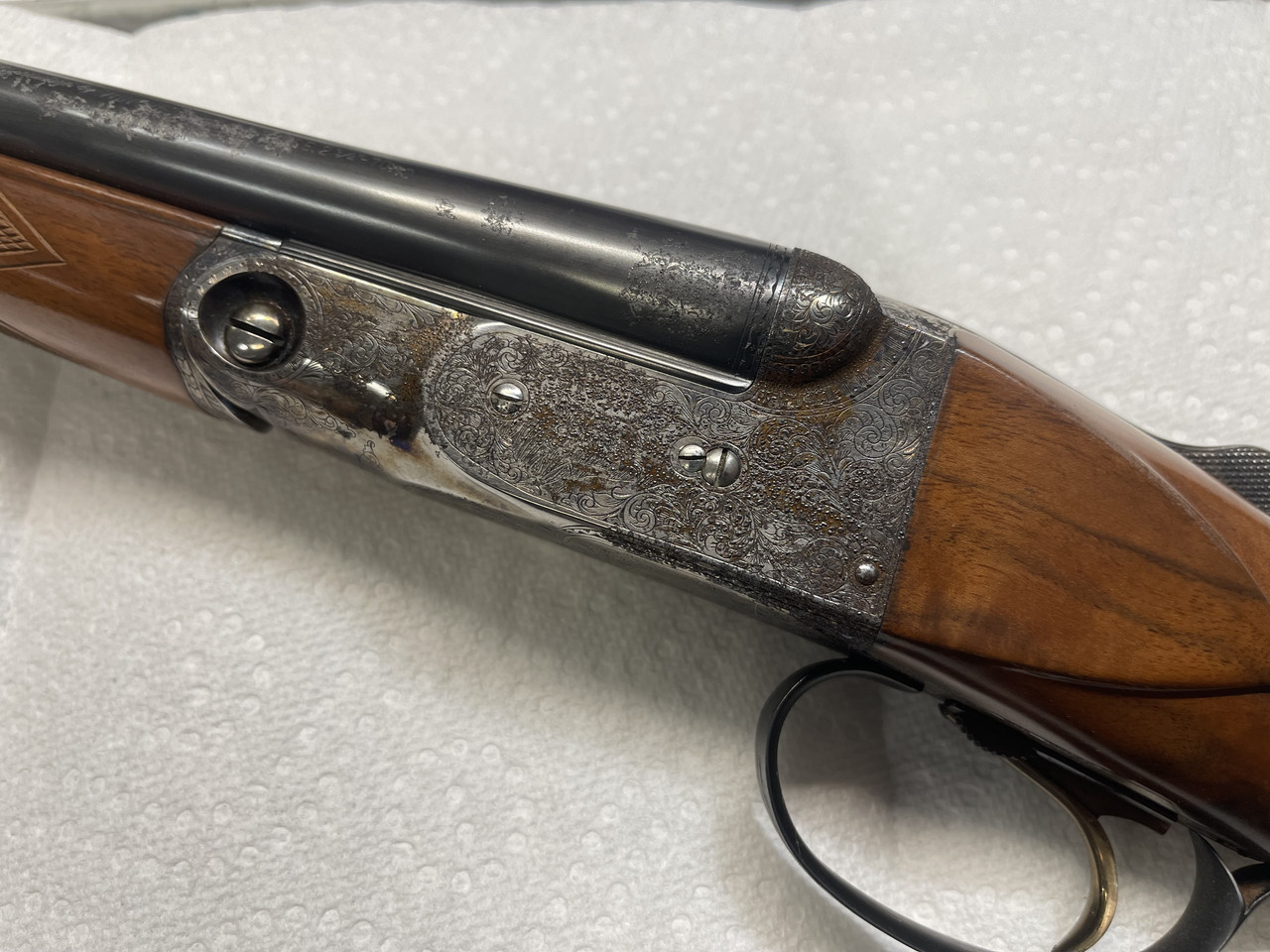
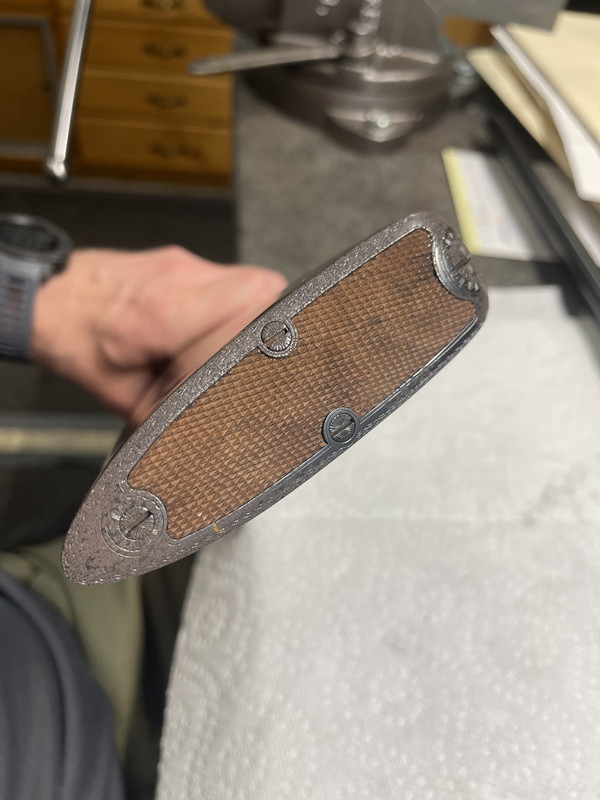
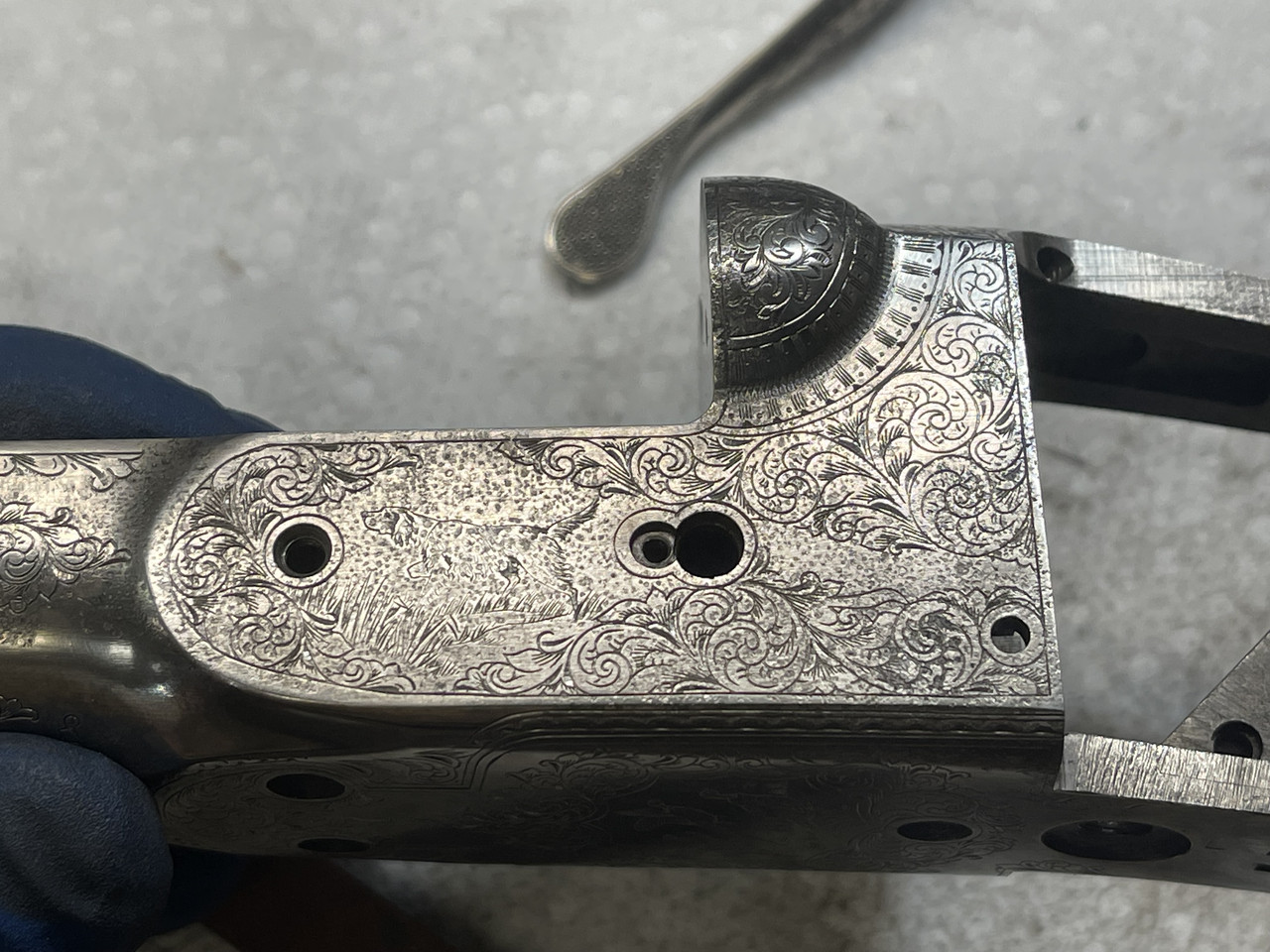
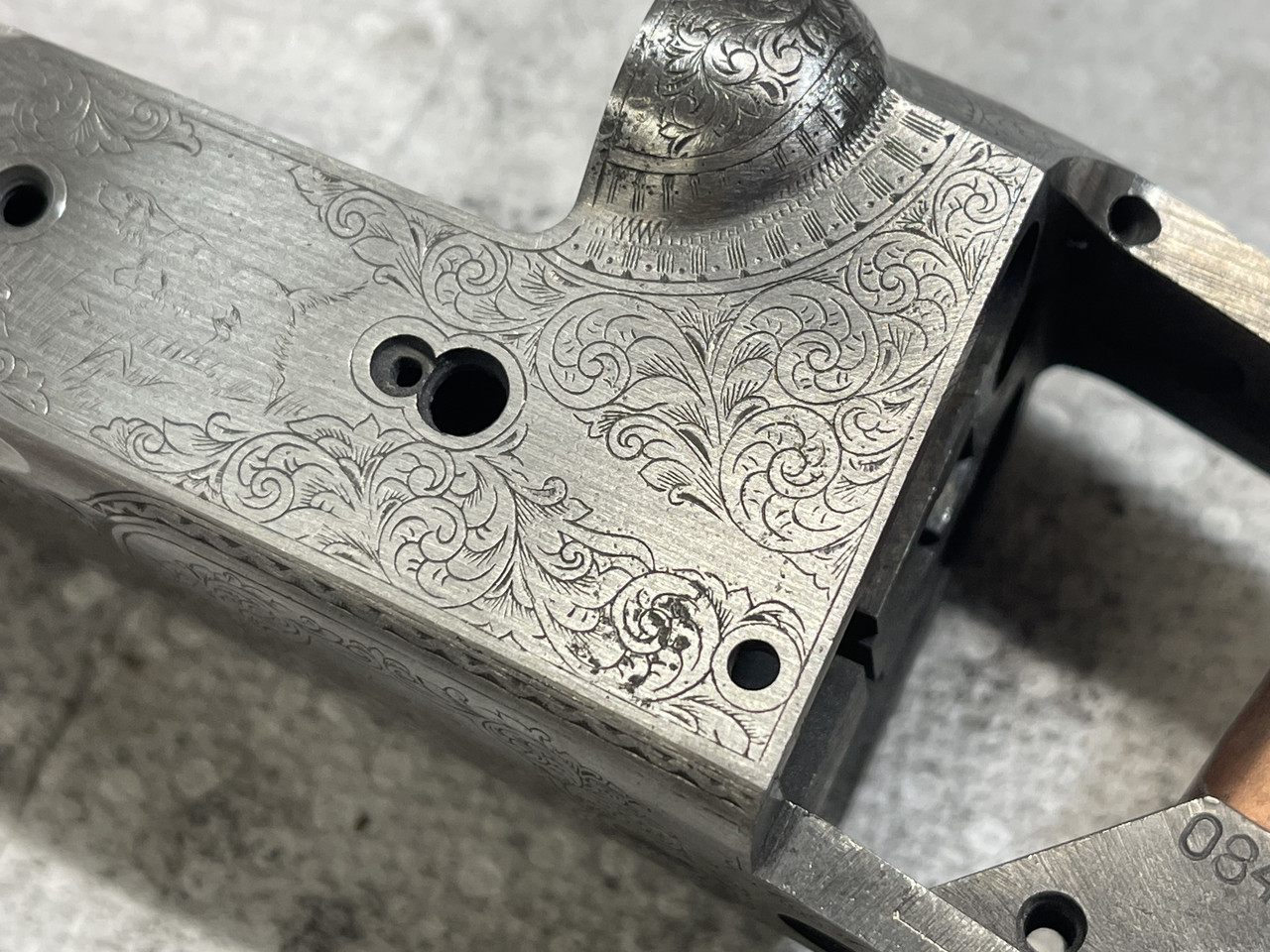
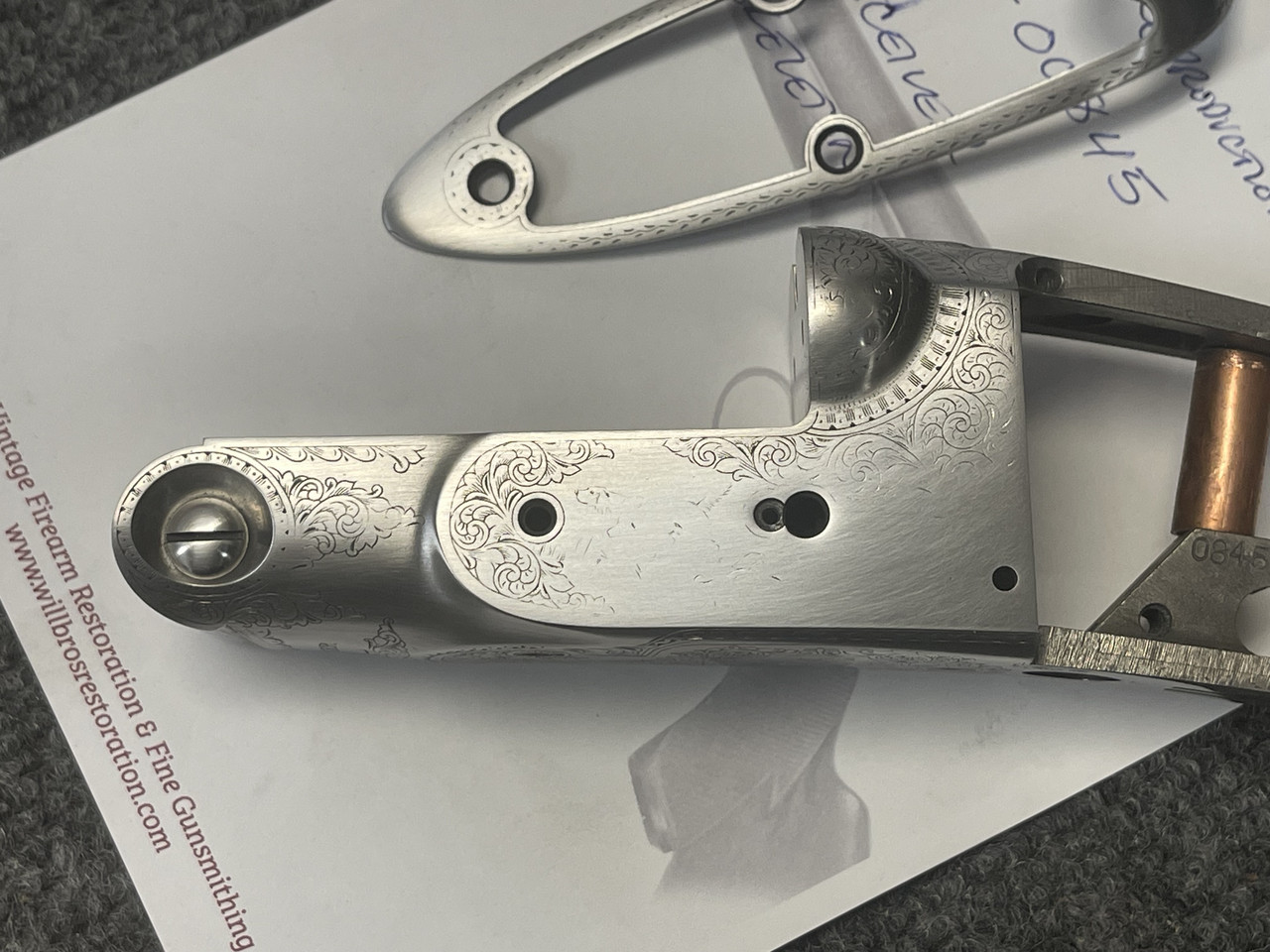
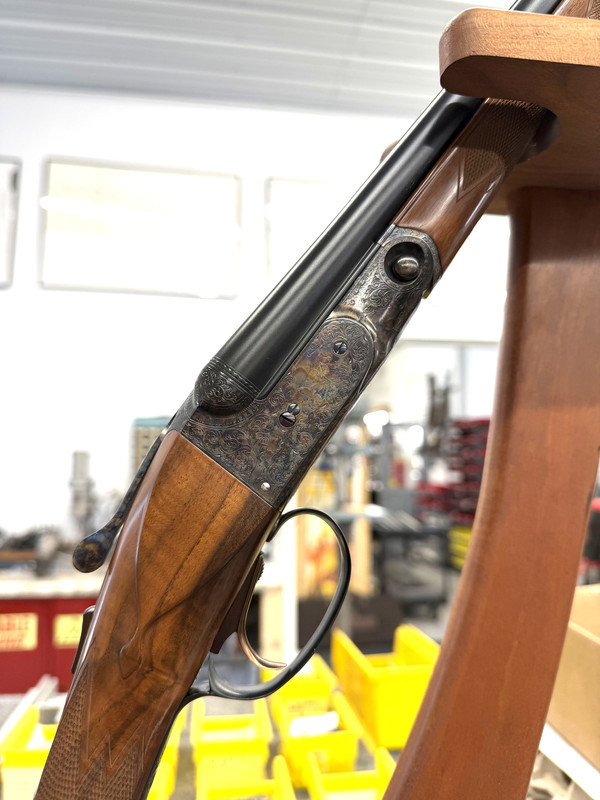
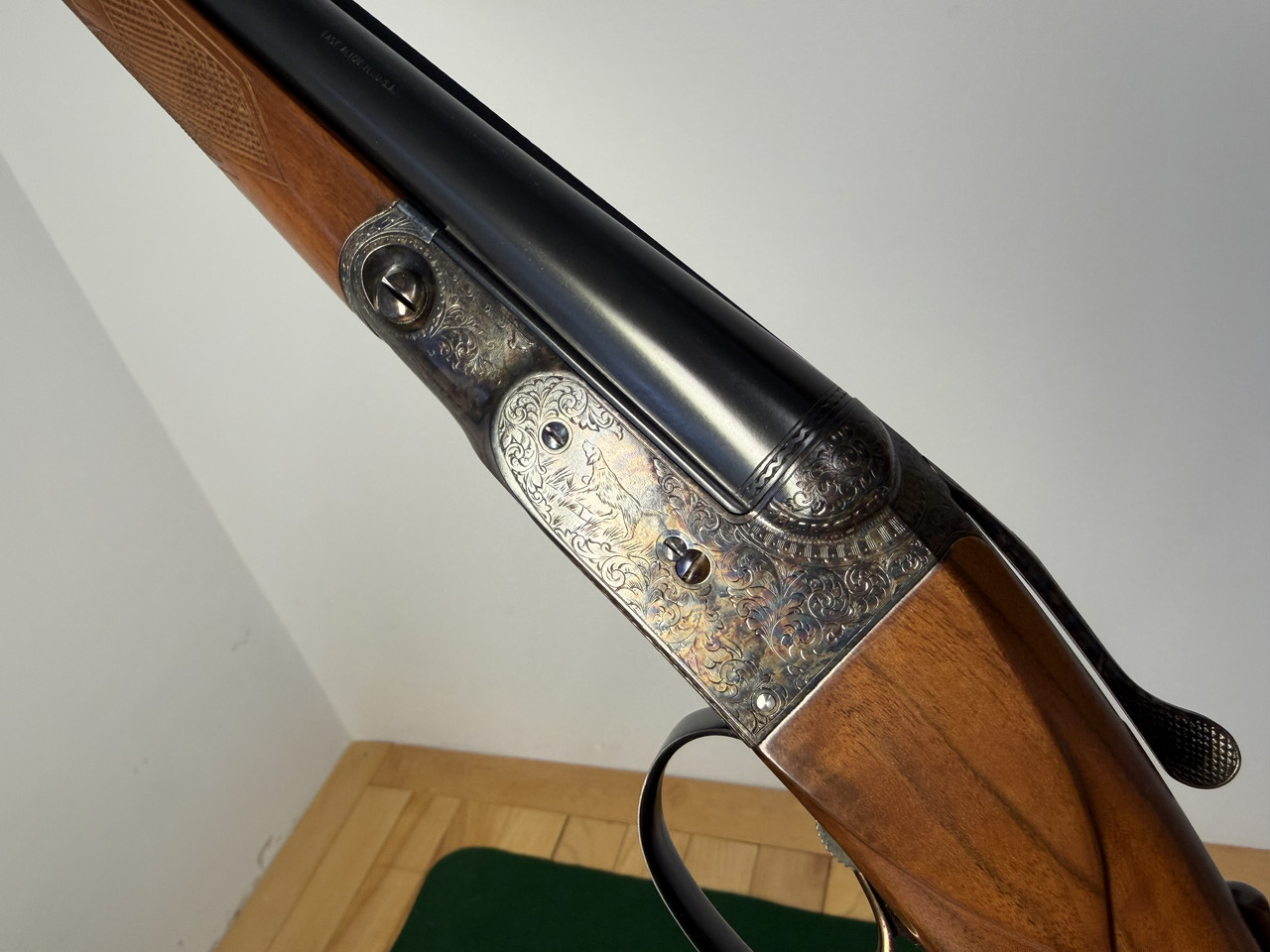
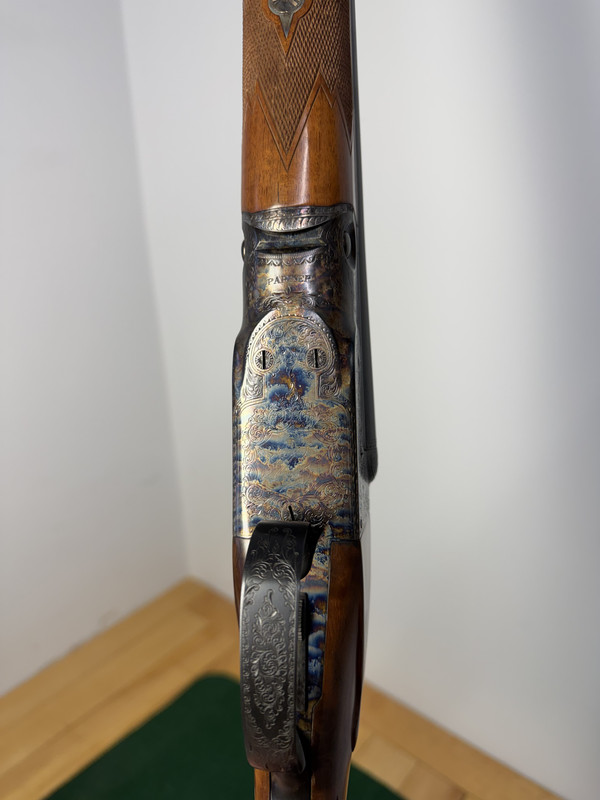
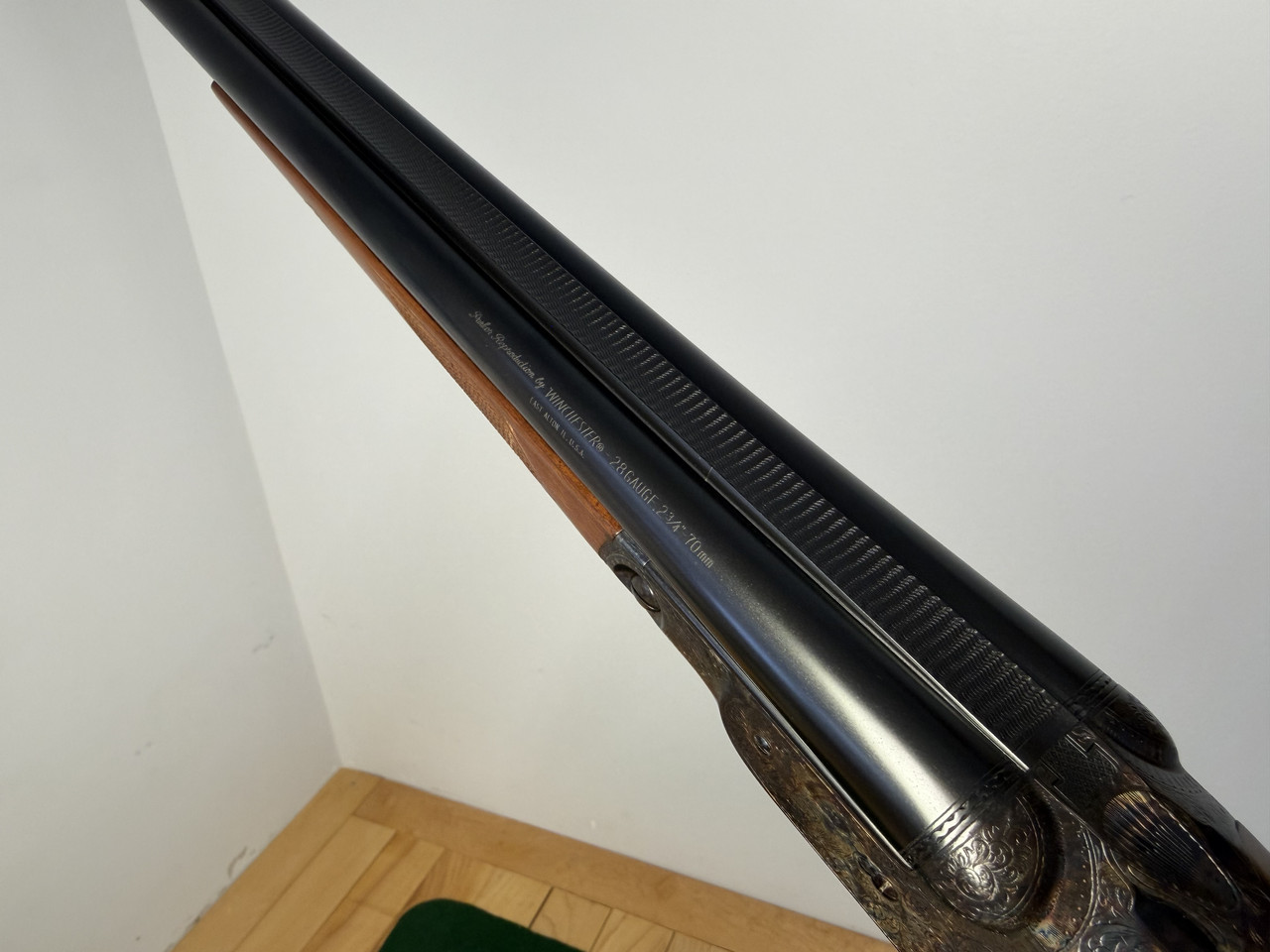
I am pretty sure many Repro owners keep their guns in the case. Do you have any idea why there was so much corrosion? Moisture in the case or on the gun when it was put up? Temperature changes causing moisture formation? Sorry it happened and the gun looks good now.
|
||||||
|
|
|
||||||
|
|
|
| The Following User Says Thank You to J. Scott Hanes For Your Post: |
|
|
|
12-12-2025, 03:48 PM
|
#5 | |||||||
|
Quote:
It was bizarre in that the rust didn't form on contact points like this reproduction did. It was mostly on unfinished steel parts like rim cuts, extractors, triggers, and non-hardened parts like trigger guards and barrels. The only thing they could figure was the cases were off-gassing from the adhesive or possibly the felt inside the cases and that reaction was enough to attack the soft/bare steel.
__________________
Channing Will Will Bros. Restoration |
|||||||
|
|
|
|||||||
|
|
|
| The Following 3 Users Say Thank You to Channing Will For Your Post: |
|
|
|
12-12-2025, 04:50 PM
|
#6 | ||||||
|
I keep my Repros in closed cases, but the room is continuously dehumidified and no rust has been experienced in thirty plus years.
|
||||||
|
|
|
||||||
|
|
|
| The Following User Says Thank You to Bill Murphy For Your Post: |
|
|
|
12-12-2025, 05:16 PM
|
#7 | |||||||
|
Quote:
|
|||||||
|
|
|
|||||||
|
|
|
| The Following 2 Users Say Thank You to Steve Huffman For Your Post: |
|
|
|
12-12-2025, 03:29 PM
|
#8 | ||||||
|
Great work!
__________________
B. Dudley |
||||||
|
|
|
||||||
|
|
|
| The Following User Says Thank You to Brian Dudley For Your Post: |
 |
|
|









 Hybrid Mode