
|
 |
 |
||||||||||||||||||||||||||||||||||||||||||||||||||||||||||||||
| |||||||||||||||||||||||||||||||||||||||||||||||||||||||||||||||
 |
 |
 02-01-2026, 11:48 PM
|
#13 | ||||||
|

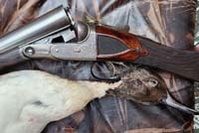
I have now had my go to upland gun, my 1914 vintage 12-gauge A-Grade, Ansley H. Fox, for 60 years and it has had a steady diet of 2 3/4-inch shells in its 2 5/8-inch chambers for all that time.
Sep 1970 Sage Grouse near Craig, Colorado.jpg |
||||||

|

|
||||||
 |
 |
 |
| The Following 5 Users Say Thank You to Dave Noreen For Your Post: |
|
|
|
02-02-2026, 05:26 AM
|
#14 | ||||||
|
I shoot 2 3/4" 3/4oz reloads in all my Parkers and Foxes. If I didn't reload, I would shoot the cheapest 2 3/4" factory loads I could find, 7/8oz and 1200fps or less and not be concerned.
|
||||||

|
|
||||||
|
|
|
| The Following 6 Users Say Thank You to Craig Larter For Your Post: |
|
|
|
02-02-2026, 06:35 AM
|
#15 | |||||||
|
Quote:
__________________
Progress is the mortal enemy of the Outdoorsman. |
|||||||
|
|
|
|||||||
|
|
|
| The Following User Says Thank You to Pete Lester For Your Post: |
|
|
|
02-02-2026, 06:44 AM
|
#16 | ||||||
|
For me… One less thing to worry about.
|
||||||
|
|
|
||||||
|
|
|
| The Following 3 Users Say Thank You to Clark McCombe For Your Post: |
|
|
|
02-02-2026, 07:32 AM
|
#17 | ||||||
|
Opening up a chamber just makes sense to me, especially on a shooter.
One of the reasons I like Utica Foxes is that the later had 2 3/4" chambers and generally better stock dimensions.
__________________
"How kind it is that most of us will never know when we have fired our last shot"--Nash Buckingham |
||||||
|
|
|
||||||
|
|
|
| The Following 2 Users Say Thank You to Harold Lee Pickens For Your Post: |
|
|
|
02-02-2026, 10:04 AM
|
#18 | ||||||
|
Pete, in 1972, Del Gregos sent me an invoice for working on my 28 including a small charge for lengthening the chambers to 2 3/4". Years later, I measured the bores and chambers. You guessed it, 2 1/2". I had shot thousands of rounds through that gun over the years.
|
||||||
|
|
|
||||||
|
|
|
| The Following 2 Users Say Thank You to Bill Murphy For Your Post: |
|
|
|
02-02-2026, 10:07 AM
|
#19 | ||||||
|
Dave likely posted this previously, which should end the debate regarding 12g chambers and loads; from the 1914 catalog
12g (2 5/8" chambers) "for 2 3/4-inch shells"  Using 2 3/4" 20g shells in chambers shorter than 2 1/2" is an entirely different issue.
__________________
http://sites.google.com/a/damascuskn...e.com/www/home |
||||||
|
|
|
||||||
|
|
|
| The Following 2 Users Say Thank You to Drew Hause For Your Post: |
|
|
|
02-02-2026, 10:48 AM
|
#20 | ||||||
|
Ther is no need to lengthen 2 5/8 or 2 9/16 chambers for 2 3/4 shells , parker designed them for that shell,
|
||||||
|
|
|
||||||
|
|
|
| The Following 2 Users Say Thank You to ED J, MORGAN For Your Post: |
 |
| Thread Tools | |
| Display Modes | |
|
|











 Linear Mode
